
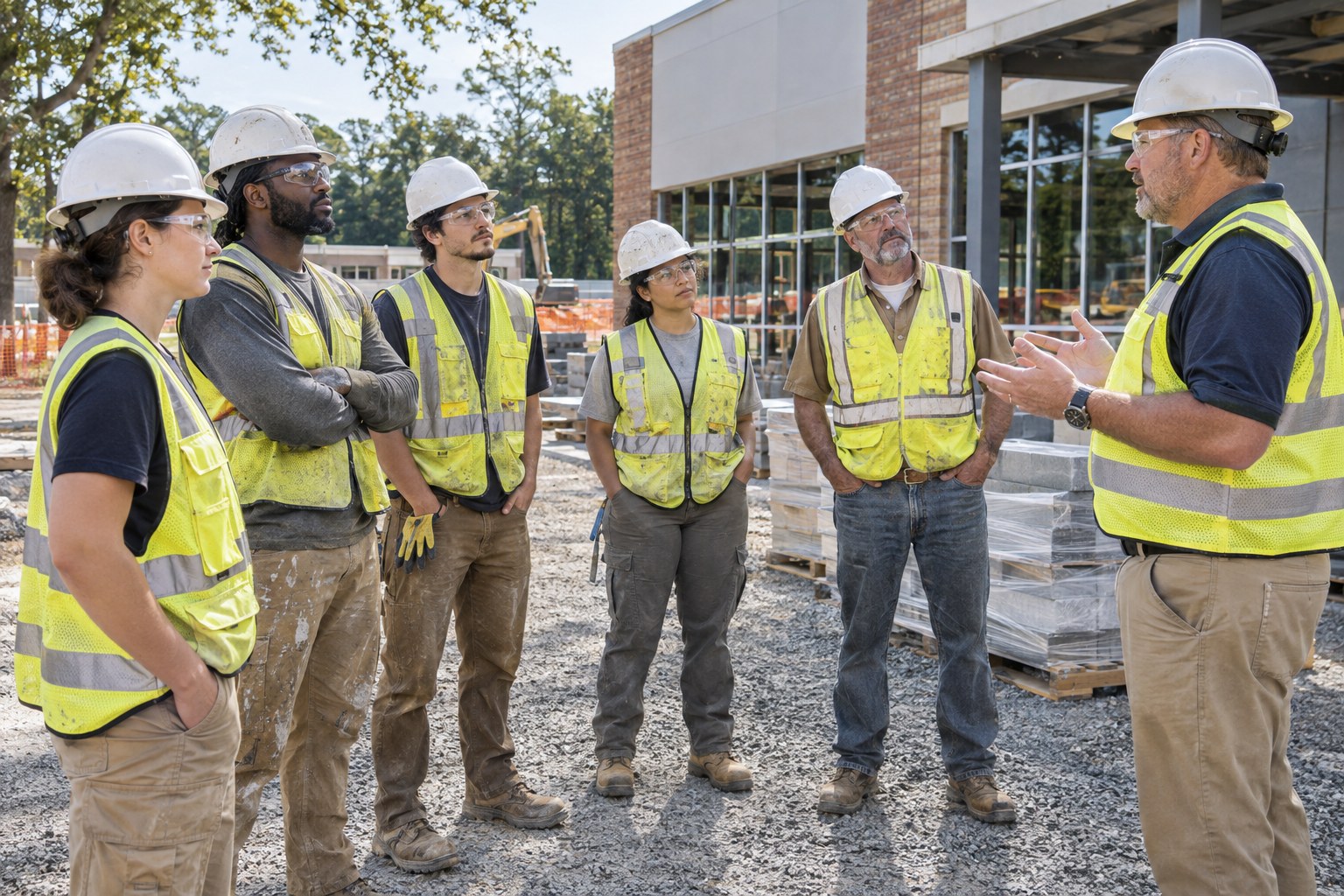
Commercial construction
LH Construction
Thoughtful planning. Dependable project delivery.
Commercial construction for owners, developers, institutions and municipal clients, from early planning through completion.
A commercial builder you can bring in early
Have a property to develop, an occupied building to improve or a drawing set headed for bid? Bring us the location and the decision you need to make next. We work with owners, developers, institutions and municipalities from early planning through turnover.
Where we’re licensed
LH Construction is currently licensed as a general contractor in Florida, Georgia, Alabama, Tennessee, Louisiana, Mississippi and South Carolina. If you’re assembling a bid list or qualifying a contractor for a specific project, tell us the state and we’ll provide the applicable license information.
Our commitment to the owner
You should know what is included in the work, which decisions remain open and what could move the price or schedule. We raise those questions while you still have options and agree on who is taking the next step.
Our commitment to project partners
Designers, trades and suppliers often spot a conflict first. We invite that input early, clarify the scope each partner is carrying and communicate decisions back to the people who need to build or supply the work.
A place for every project participant.
From the people commissioning a project to the partners helping deliver it, the right conversation starts here.
Commercial owners and developers
Start a conversation about your commercial project, priorities and plans.
Institutions and municipal clients
Discuss your organization’s construction needs and project requirements.
Referral and design partners
Connect around a referral, a design collaboration or a project opportunity.
Subcontractors
Introduce your company, capabilities and interest in commercial work.
Trades and bid contacts
Connect about your trade or request information about a bidding opportunity.
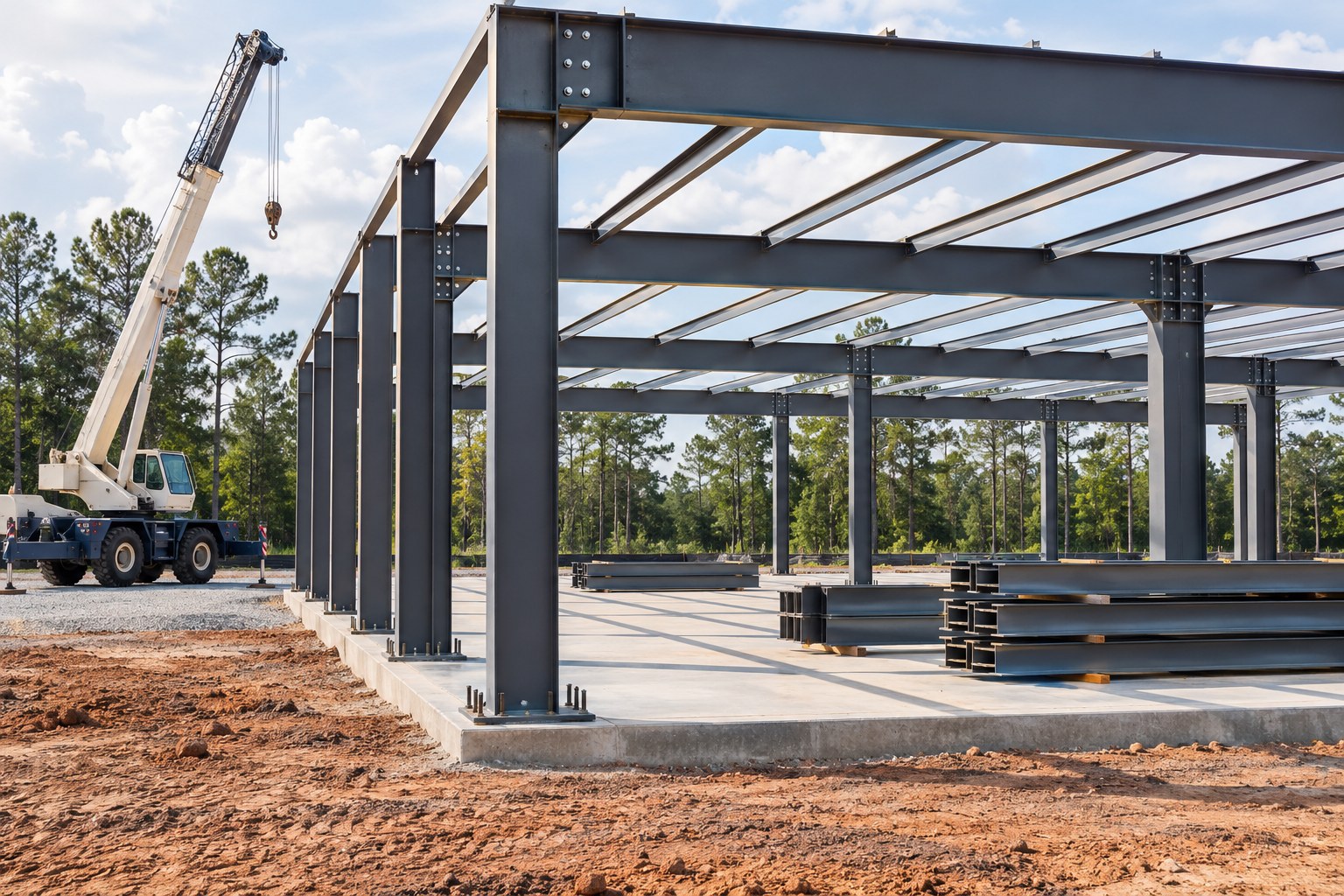
The work behind a well-coordinated project.
Commercial construction calls for clear priorities, practical planning and consistent coordination.
- General contracting
- Bringing construction activities, trades and day-to-day site coordination together around the project’s scope.
- Construction management
- Organizing project participants, communication and construction decisions from planning through delivery.
- Preconstruction planning
- Considering scope, budget, schedule and constructability before work begins.
- Commercial construction
- Focusing on the spaces and requirements of commercial owners, developers, institutions and municipal clients.
- Project coordination and delivery
- Keeping owners, designers, contractors and trades connected as the project moves toward completion.
Good delivery begins before construction.
Early conversations help turn an idea into a practical plan. Define the scope, consider the constraints and give project participants a shared starting point.
- Scope and priorities
- Clarify goals, requirements and the work the project needs to include.
- Budget and schedule
- Consider cost priorities, sequencing and timing while decisions are still taking shape.
- Constructability and coordination
- Bring owners, designers, contractors and trades into the conversation about how the work will come together.
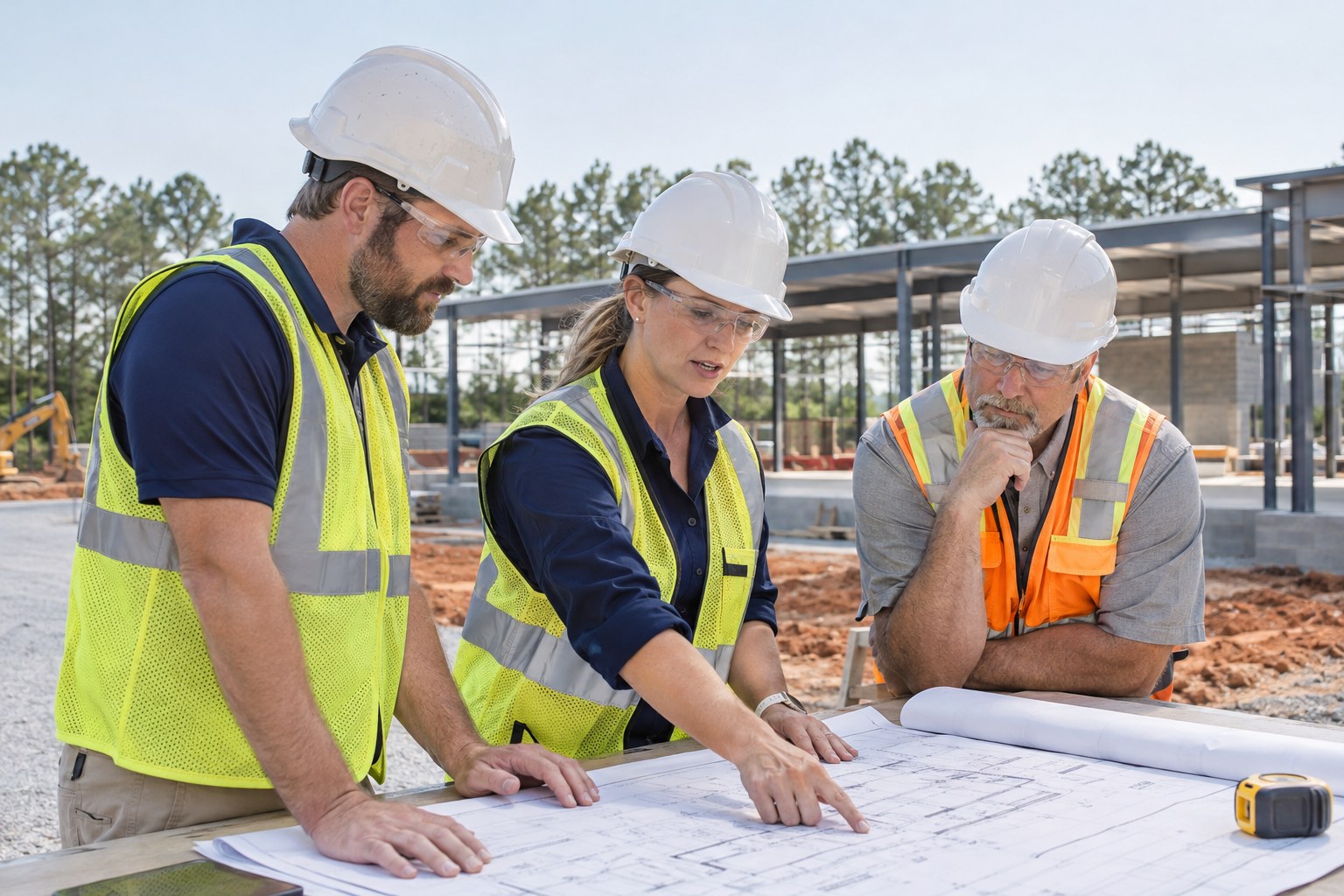
04 / Project delivery approach
What you can expect from planning through turnover
The first useful conversation is often about what the drawings leave open. We look at how the property is used, when it must be ready and which items could change the scope or price.
- 01
Before bid | Scope and assumptions
We review the drawings with the owner and design team. If a utility connection, equipment lead time or responsibility is unclear, we identify the question, the pricing assumption and who can resolve it.
- 02
Before mobilization | A plan for an active site
We walk entrances, deliveries and work areas with the people who run the property. Staff access, public hours and shutdown windows become part of the sequence crews use in the field.
- 03
During construction | Decisions the owner can act on
When an existing condition changes the work, we explain what was found, the options and the anticipated cost or schedule effect. We document the direction and coordinate the next step with the affected trades.
- 04
At turnover | An orderly handoff
We walk the completed scope with the owner. We record open items, assign responsibility and identify the closeout documents the facilities team needs for the work provided.
05 / A Lee Hunter company
Part of the Lee Hunter family.
LH Construction is part of the Lee Hunter family of companies, with a focus on commercial construction, project planning and delivery. Whether you know Lee Hunter or are meeting us for the first time, your construction conversation starts here.
Questions to bring us before the bid
Early discussions are useful even when the plans are incomplete. Here are a few ways an owner or partner can put the first conversation to work.
- Can you help us compare options before the drawings are complete?
- Yes. Bring the current plan, the target budget or opening date and the decision you’re weighing. We can identify scope gaps, long-lead purchases and assumptions to revisit as design advances.
- Can we keep part of the property open?
- Tell us which entrances, services and operating hours must be protected. We’ll discuss a phased sequence with the people running the site and identify where a temporary closure or owner decision may be needed.
- What if the field conditions differ from the drawings?
- We bring the issue to the owner and design team, outline the choices and document the decision. When a change affects a trade’s work, we make sure that partner has the revised direction.
- How do we qualify LH or invite a bid?
- Send the project name, state, procurement contact, trade packages, drawing revision and due date. Tell us which license records or prequalification materials your process requires. For public work, include the issuing agency’s instructions.
Your next project
Let’s talk about what you’re planning.
Tell us about your organization, project location and state, current project stage, and next decision or procurement date. Include your project priorities and any credential or prequalification needs.